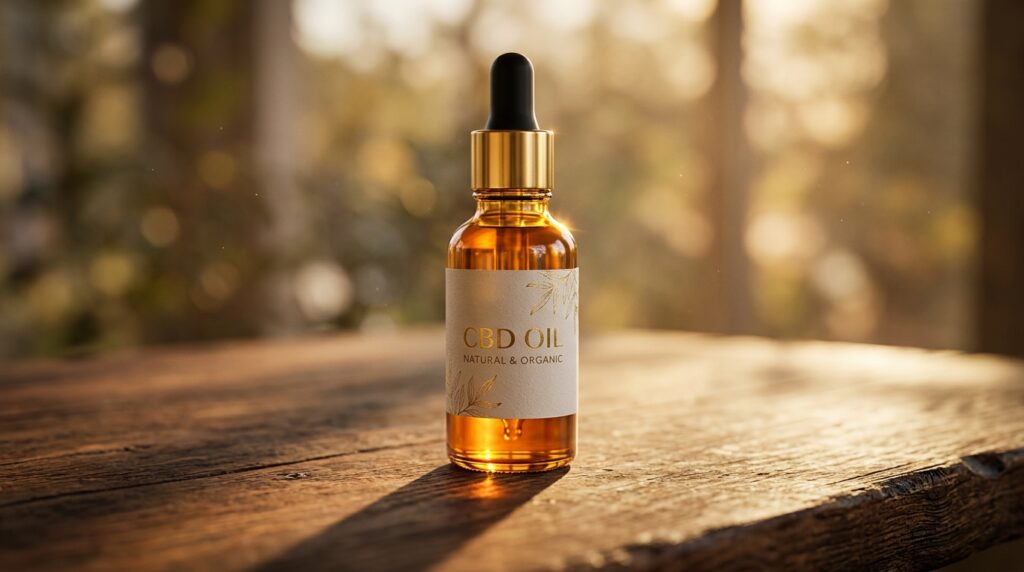
Ask ten people why they use CBD and the answers rarely match. One wants a calmer evening, another wants a gentler recovery after workouts, and a third simply read an article.
That spread of goals is the reason one “best” product does not exist. CBD oil can be a drop under the tongue, a capsule, a gummy, or a cream, and each format behaves differently. Matching the format, strength, and type to a specific purpose gets better results than choosing by brand popularity or the loudest label claim.
Start With a Clear Goal
Name the target
A vague goal such as “feeling better” is hard to measure. A sharper one works better: falling asleep within a half hour, easing stiffness after a long shift, or taking the edge off public speaking. Written down, the goal becomes a yardstick, and after a few weeks it is easy to see whether the product moved the needle at all.
Daily routine or occasional use
Some people take CBD at the same time every day. Others reach for it only before a stressful event. Daily use favors an oil or capsule with a steady, predictable serving. Occasional use often suits a faster format. Deciding this early prevents buying a large bottle that sits unfinished.
Keep expectations grounded
Research supports CBD most clearly for certain seizure disorders, and that evidence comes from a purified prescription drug. For anxiety, sleep, and pain the studies are smaller and mixed. A reasonable expectation is a modest effect that may vary from person to person, not a guaranteed result.
Formats and Where They Fit
Oil drops (tinctures)
Drops let the user control the amount to the milliliter. Holding the oil under the tongue for 60 to 90 seconds is the usual advice, and effects are commonly described as starting within 15 to 45 minutes. A tincture suits anyone who expects to adjust the amount over time, which describes most beginners.
Capsules and softgels
Capsules remove the guesswork and the earthy taste. Each one holds a fixed dose, often 10 to 25 mg, which makes tracking simple. They pass through digestion first, so onset is slower, generally an hour or more. They work well for a daily routine and for people who dislike the flavor of hemp.
Gummies
Gummies taste pleasant and look like candy, which is both the appeal and the risk. Doses per piece vary, and children can mistake them for sweets, so storage in a locked cabinet is sensible. Sugar content is another point to read on the label.
Creams and balms
Topicals are applied to the skin and are mostly meant for a specific area, such as a sore knee. Research on topical CBD in people is still early, and little of the compound is thought to reach the bloodstream. They fit a local, targeted need. They are a poor match for goals such as sleep or general calm.
Strength and Type
Reading the concentration
Concentration is the total milligrams of CBD divided by the bottle volume. A 30 mL bottle with 900 mg holds 30 mg per mL. A dropper that fills to 1 mL then delivers about 30 mg. Beginners often start with 10 to 25 mg per serving, which means a lower-strength bottle, around 300 to 600 mg, may last longer and cost less than a high-potency one.
Which spectrum fits
Full spectrum oil contains other cannabinoids and trace THC, up to the legal limit of 0.3 percent. Broad spectrum removes most or all of the THC. Isolate contains CBD alone. Anyone who is subject to workplace drug testing generally leans toward isolate or a broad spectrum product with a lab report showing no detectable THC.
Sensitivity and side effects
People respond differently, and starting with a small amount allows a quick retreat if drowsiness, stomach upset, or dry mouth shows up. Taking the first dose on a day with nothing demanding on the schedule is a practical precaution.
Practical Tips That Help
Run a two-week trial
Take the same product at the same time each day for two weeks before judging it. Changing the format, time, and amount all at once makes it impossible to tell what worked. A short daily note on sleep quality, mood, or comfort is enough.
Quick match guide
- Steady daily routine: capsules or measured drops
- Flexible adjustments: oil tinctures
- A single sore area: a topical
- Avoiding THC entirely: isolate or lab-verified broad spectrum
- Dislikes the taste: capsules or flavored drops
When to bring in a professional
A pharmacist can flag interactions with prescriptions in a few minutes, and a doctor can weigh in when a medical condition is involved. Pregnancy, breastfeeding, and liver problems call for a conversation before the first dose.
Final Thoughts
The best CBD oil is the one that matches a defined goal, a manageable strength, and a verified lab report. A two-week trial with simple notes shows more than any product review.